How My Dermaviduals Corneotherapy Facial Works
If you have been searching for a facial treatment Kirkham residents actually return to, this is the version of the conversation I have with clients on the couch. My facial is built on corneotherapy – a skin barrier philosophy I trained in years ago and have practised since. Mixed with Dermaviduals products that I customise on the day for the skin in front of me. Less mystery than people expect. More method than a template facial.
What corneotherapy actually is, in plain language
Corneotherapy is the practice of treating the skin while respecting its outermost layer, the stratum corneum, instead of stripping it. The barrier matters. Most of what looks like a problem – dehydration, sensitivity, breakouts that will not settle, redness that lingers – traces back to a barrier that has been worked on too aggressively rather than supported. So my approach is the opposite of the strip-and-resurface mindset that many salons still use.
I trained in advanced corneotherapy with Florence Barrett-Hill, and the method has shaped every facial I have delivered since. It is not a brand-name treatment or a marketing hook. It is a way of looking at skin where the first question is always what the barrier is doing rather than what the surface looks like. If you have been hunting for a facial treatment Kirkham studios offer that is grounded in skin biology rather than spa-luxury framing, that is the bedrock of what I do.
Why a facial treatment Kirkham clients book with me looks different on day one
The first facial treatment Kirkham appointment with me is not what you may be used to. There is no menu of fixed steps applied to every face that walks in. The first session usually starts with a Skin Analysis where I look at what your skin is actually doing under proper lighting and with the diagnostic tools I trust. From that, I build a session for your skin specifically, not a template applied to it.
Most clients who arrive expecting a relaxing hour are surprised by how much detective work is happening in the first ten minutes. I look at skin like a detective trying to figure out a case. Why is this area dehydrated when this person says they drink three litres a day. Why has the home routine produced redness rather than calm. The answer changes what I do next.
Why I custom-mix Dermaviduals on the day
Dermaviduals is the professional skincare line I work with for every facial I deliver. The reason is structural rather than promotional. The line is designed to be combined – bases, actives, serums, and concentrates that I select for each client and mix in the moment. Two clients booked back to back may receive completely different formulations even if both have asked for the same Bespoke Facial.
Custom-mixing matters because skin is not a category. It is a specific surface with a specific history, and what calms one person reactivates another. A pre-mixed serum from a glossy retail bottle does not know that. When I mix on the day, I can leave out an ingredient that does not suit your skin, double-up on one that genuinely will, and adjust strength based on how your barrier looks under the light. That single difference is most of what people notice between my facial and others they have booked before.
The modalities I work into a session
A standard Bespoke Facial in my Kirkham studio runs around an hour. Inside that hour I can layer in different modalities depending on what your skin needs. Dermalux LED light therapy for cellular support and a calmer flush. Microcurrent for facial muscle tone where it is appropriate. Gua Sha for lymphatic flow and tension along the jaw and neck. Pressotherapy as an add-on for circulation. None of these are added because they are on the price list. They are added because the skin in front of me will use them.
The Bespoke Plus and Signature versions extend the time slot to one hour twenty minutes or one hour forty minutes, which gives room to integrate microneedling at the surface level into the protocol when that is the right call for the skin. The full menu sits on my facial treatments page with pricing per option.
Why home care matters more than the appointment itself
This is the part most clients do not expect to hear from a therapist running a corneotherapy facial. Half of what I see at the consultation could be improved by adjusting the home routine alone, without any salon procedure. In half my consultations the answer is not another treatment. It is a kinder home routine that lets the skin breathe again.
If your home cleanser is stripping the barrier twice a day, no facial will outperform that. So before any course of facials starts, the first piece of work is the routine. Once the routine is gentle enough that the skin is not in survival mode, the facial has something to support rather than something to fight against. That is the order in which it actually works.
What I refuse to add to a facial
Aggressive scrubs that abrade the barrier. Strong acids stacked on a sensitive skin. Anything sold on fear of ageing rather than respect for skin biology. Heated steamer treatments on rosacea-prone faces. The most ageing thing I see in skin is not time. It is years of aggressive products fighting the skin’s own repair work, often applied with the best of intentions, and the facial industry sells more of those products every year.
If a client asks me for an “intense” peel because that is what they expect a serious facial to feel like, I will explain why that is not what their skin needs and propose the calmer version. Some clients move on. Most stay. The ones who stay are the reason this practice keeps growing without any aggressive marketing behind it.
How to start: a Skin Analysis first, then the right facial
If you are new to me and unsure which facial slot to book, the honest entry point is a Skin Analysis at thirty pounds. One hour, on the couch with proper lighting, with no commitment to anything beyond that. From there I tell you which facial format makes sense for your skin and whether your home routine needs adjusting first. If the right answer is “fix the routine for six weeks before any facial”, I will say that.
If you have already had a Skin Analysis with me, book the Bespoke Facial slot directly. I will pick up from where the analysis left off and the session will be calibrated to whatever your skin is doing on the day rather than a fixed protocol from the menu.
Questions & Answers
Curious whether my facial is right for you?
If you have been searching for a facial treatment Kirkham studios offer that is grounded in skin biology rather than spa luxury, book a Skin Analysis through Fresha first – thirty pounds, one hour, no commitment to anything beyond that. I look at what your skin is actually doing, ask what your home routine looks like, and tell you honestly whether a course of facials makes sense or whether the routine alone needs adjusting first. The right answer matters more than the booking.
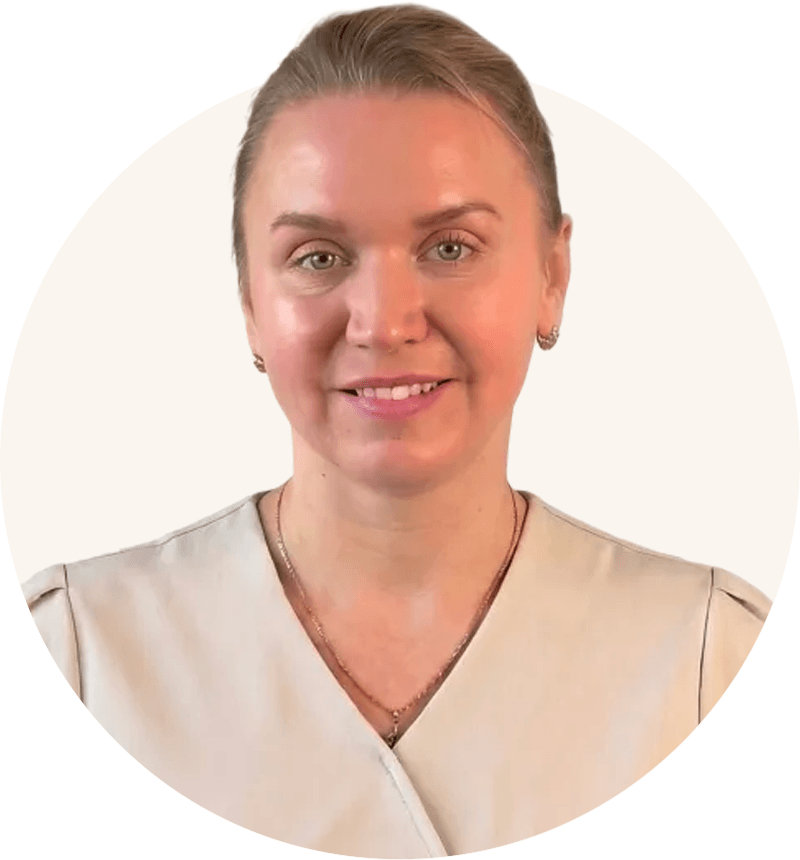
All treatments carried out by Maria at Skincare & Waxing, 10A Freckleton Street, Kirkham, Preston, PR4 2SP